01 / BASEMENT FLOOD CLEANUP
Basement Flood Cleanup
Pumping, drying and sanitizing flooded basements, garages and in-law units.
Learn more about Basement Flood Cleanup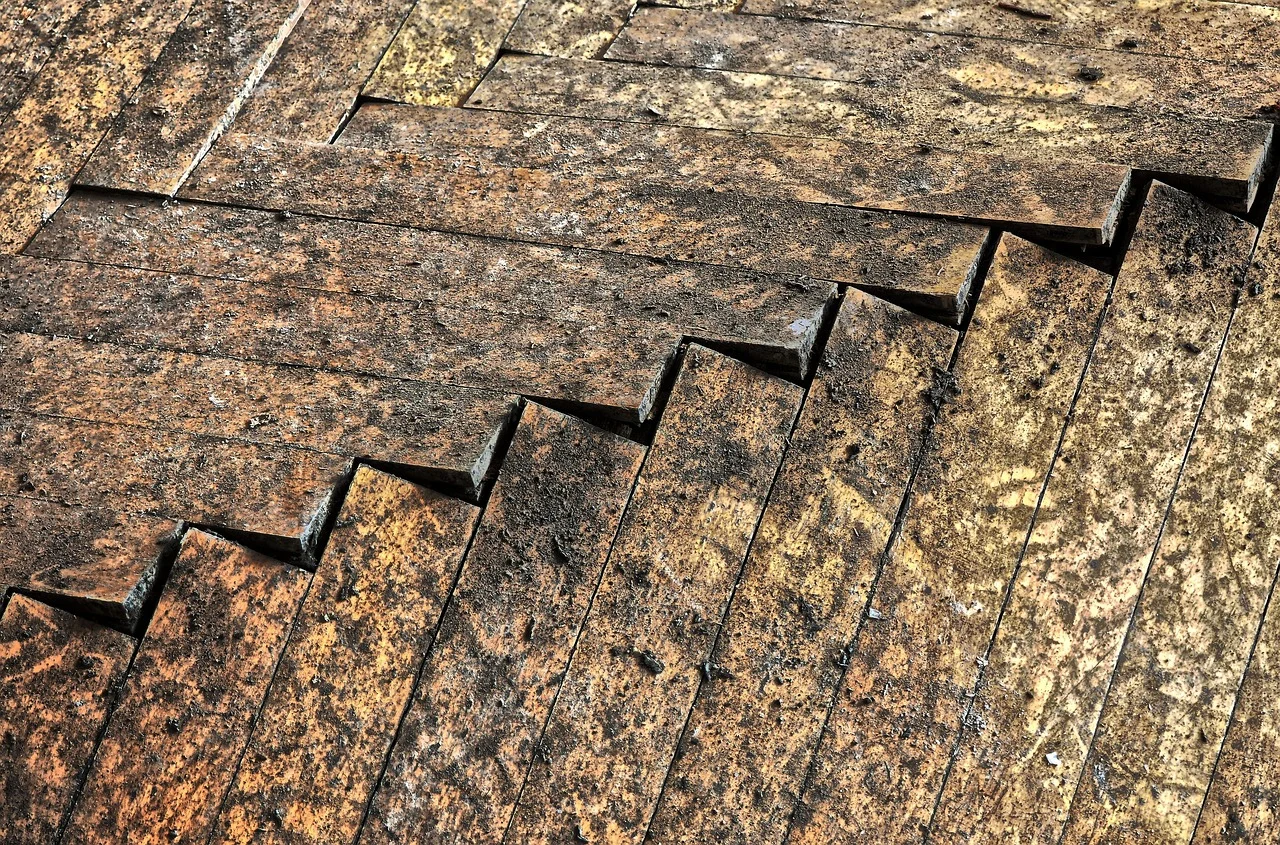
CARPET & FLOORING RESTORATION
Wet carpet, cupped hardwood or swollen laminate? Find out what can be dried and saved, and what has to be replaced. One free call, answered 24/7.
Carpet, hardwood, laminate, tile
Quick answer
Water damaged floor repair in Oakland depends on two things: what the floor is made of, and how clean the water was. Wall-to-wall carpet hit by clean water can often be extracted and dried in place, while the pad is usually replaced. Solid hardwood is dried slowly and often saved. Laminate, and carpet touched by sewage, are usually replaced. Call (925) 298-0440 and we connect you with an independent, licensed restoration company.
A floor can look fine an hour after a leak and still be soaked underneath. Water runs under carpet, between boards and below vinyl, then sits on the subfloor or slab where nobody sees it. That trapped moisture is what turns a quick cleanup into cupped boards, a musty smell and mold.
The goal of good wet carpet drying and floor restoration is simple: save every floor that can truly be saved, replace the ones that cannot, and prove the layers underneath are dry before anything new goes down.
Wet carpet or buckling floors? Call now, the referral is free and answered 24/7.
Call (925) 298-0440Save or replace
These are typical outcomes, not promises. The final call comes from moisture readings, how long the water sat and what the water carried. Clean water is IICRC Category 1. Dirty and sewage water are Categories 2 and 3.
| Floor | Clean water, caught fast | Dirty water or long soak | Watch for |
|---|---|---|---|
| Wall-to-wall carpet | Often saved | Replace | Seams separating, backing coming apart, odor |
| Carpet pad | Usually replaced | Replace | Holds water like a sponge and is very hard to clean |
| Area rugs | Clean and dry | Large or foam-backed: discard | Valuable rugs go to a rug specialist |
| Solid hardwood | Often saved | Clean, dry, some boards replaced | Cupping, black stains, soft spots |
| Engineered wood | Sometimes saved | Often replaced | Top layer peeling from the core |
| Laminate | Usually replaced | Replace | Swollen edges that never go back down |
| Vinyl plank and sheet vinyl | Lift if water got under | Replace | Moisture trapped on the subfloor below |
| Ceramic and porcelain tile | Usually saved | Clean, disinfect, check under | Loose or hollow-sounding tiles, stained grout |
| Concrete slab | Dry in place | Clean, disinfect, dry | Slow drying before new flooring goes down |
Carpet and pad
With clean water and a fast response, the carpet itself can often be saved, but the pad underneath is usually thrown out. University of Wisconsin Extension guidance says padding is nearly impossible to clean and should be replaced. Pad is cheap compared with carpet, and it holds water against the subfloor.
The usual method: extract water with a powerful extraction tool, lift the carpet back from the tack strip, pull and discard the wet pad, dry the subfloor, then dry the carpet with air movers and dehumidifiers before it is re-stretched over new pad.
Sewage is a different story. The same guidance says carpet covered by sewage-contaminated water will probably need to be discarded for health reasons. Flip the switch to see the difference.
Speed matters. NDSU Extension says carpet that cannot be removed should be dried within 48 hours of getting wet.
Clean water, caught fast: extract, pull the pad, dry the subfloor and carpet.
Sewage (Category 3): carpet and pad go, the subfloor is cleaned, disinfected and dried.
For sewage backups, see sewage cleanup and black water removal.
Hardwood floor water damage
Wet hardwood swells more on the wet bottom than the dry top, so board edges rise and the floor cups. The biggest mistake is sanding too soon. A cupped floor sanded flat while still wet will crown later as it dries, with the centers higher than the edges.
Red Cross and FEMA flood guidance notes wood allowed to dry will generally regain its original shape. Drying time varies a lot; see how long it takes to dry water damage.
Other floors
Hard floors look waterproof on top, but water gets in at the seams and edges and then cannot get out.
Laminate has a pressed-wood core. When water reaches it, the edges swell and peak, and they usually stay that way. It also locks moisture onto the subfloor below. In most wet-floor jobs laminate comes up and gets replaced.
The vinyl itself may survive, but it acts like a lid. Red Cross guidance says vinyl and linoleum should be removed if warped, loose or foam-backed. If water got under, the floor usually has to come up so the subfloor can dry.
Tile handles water well. The risk is underneath: wet thinset, a wet wood subfloor or a cracked shower pan. Hollow-sounding or loose tiles and darkened grout lines are signs of water below.
Floor water damage
Save the floors that can be saved
One free call connects you with an independent, licensed company that measures every layer, dries what can be dried and replaces only what has to go.
Under the floor
Every floor job ends with the same question: is the layer underneath dry? New flooring over a wet subfloor or slab traps moisture, which can cause mold, odor and failed adhesive.
Oakland floors
Close to half of Oakland’s housing units were built before 1950, per ACS data compiled by Point2Homes. In Glenview, 7 out of 10 units were built before 1939, mostly Craftsman bungalows. Rockridge has many homes from the 1920s to 1950s. Original solid hardwood in homes like these is usually worth the slow dry rather than a tear-out.
Many older Oakland homes sit on raised foundations, so a leak through the floor also reaches the crawl space. Winter matters too: nearly all of Oakland’s rain falls from November to April, and northern Oakland often gets cool, damp fog. Damp outdoor air means opening windows does little, so floors are dried with dehumidifiers instead.
In apartment and condo buildings around Downtown, Uptown and Lake Merritt, a floor leak can also reach the ceiling of the unit below, so both units should be checked.
How it works
The source is stopped and standing water is pulled out of carpet, between boards and off hard floors.
Readings on the surface, the subfloor or slab, and below in the crawl space. A dry reference sets the goal.
Wet pad, swollen laminate, lifted vinyl and contaminated carpet come out so the layers below can dry.
Dehumidifiers and air movers run until readings hit the goal. Then carpet is re-stretched, boards refinished or new floors installed.
What affects the cost
We do not quote prices. The company you are connected with gives you a written estimate.
Related help
Wet floors often go with water extraction, ceiling and drywall repair and odor removal. For the full picture, see water damage restoration in Oakland.
01 / BASEMENT FLOOD CLEANUP
Pumping, drying and sanitizing flooded basements, garages and in-law units.
Learn more about Basement Flood Cleanup02 / FLOOD CLEANUP
Fast water extraction and cleanup after floods, burst pipes and sewage backups.
Learn more about Flood Cleanup03 / MOLD INSPECTION & REMEDIATION
Inspection, testing and safe mold removal with containment and clearance checks.
Learn more about Mold Inspection & Remediation04 / STORM DAMAGE RESTORATION
Tarping, drying and repair after atmospheric river storms, wind and roof leaks.
Learn more about Storm Damage Restoration05 / MOISTURE DETECTION & LEAK TRACING
Thermal imaging and moisture mapping to find hidden leaks without guesswork.
Learn more about Moisture Detection & Leak Tracing06 / CRAWL SPACE DRYING & REPAIR
Drying wet crawl spaces and repairing dry rot, joists and sill plates.
Learn more about Crawl Space Drying & Repair07 / WATER EXTRACTION & PUMP-OUTS
Pumping and extracting standing water fast so drying can start sooner.
Learn more about Water Extraction & Pump-Outs08 / SEWAGE CLEANUP & BLACK WATER REMOVAL
Safe removal, cleaning and disinfection after sewer backups and black water.
Learn more about Sewage Cleanup & Black Water Removal09 / CEILING, WALL & DRYWALL REPAIR
Drying or replacing water damaged ceilings, drywall and plaster walls.
Learn more about Ceiling, Wall & Drywall Repair10 / ODOR REMOVAL & SANITIZATION
Removing musty odors at the source and sanitizing after water damage.
Learn more about Odor Removal & SanitizationFloor water damage help in these Oakland neighborhoods
Common questions
Often, if the water was clean and the carpet is dried quickly. The pad underneath is usually replaced. Carpet soaked by sewage or dirty floodwater should be discarded, and large or foam-backed rugs flooded with contaminated water usually go too.
Usually, yes. Pad soaks up water like a sponge and is very hard to clean or dry fully. University of Wisconsin Extension guidance says padding should be replaced. It is a small part of the cost compared with the carpet.
Many do once they are dried slowly and fully. Red Cross and FEMA guidance notes wood allowed to dry will generally regain its shape. Boards with black stains, rot or permanent damage are replaced and woven in with matching wood.
Only after moisture readings show the boards and subfloor are dry, top and bottom. Sanding a cupped floor while the bottom is still wet can leave it crowned later. Waiting is part of the repair.
Rarely. Laminate’s pressed-wood core swells at the edges and usually does not return to flat. It also traps water against the subfloor, so wet laminate is normally removed and replaced.
The planks may resist water, but water gets under them at seams and edges. Trapped moisture on the subfloor can lead to mold and odor. If readings show water underneath, the planks are lifted so the floor can dry.
Soft or spongy spots, a musty smell, squeaks that were not there before and loose tiles are clues. A moisture meter gives the real answer. In homes with a crawl space, the underside of the subfloor and the joists should be checked too.
Many policies cover sudden, accidental water damage, and many exclude slow leaks and flooding from outside. Photograph everything before removal and keep samples of damaged flooring. This is general information, not insurance advice.
Answered 24/7
Wet floors in Oakland? Act before they cup.
The first 48 hours decide what can be saved. One call connects you with an independent, licensed company that can extract, dry and restore your floors.
Water Damage Restoration Oakland CA is a free referral service. We connect Oakland property owners with independent, licensed restoration companies. We do not perform restoration work ourselves.
Sources