01 / FLOOD CLEANUP
Flood Cleanup
Fast water extraction and cleanup after floods, burst pipes and sewage backups.
Learn more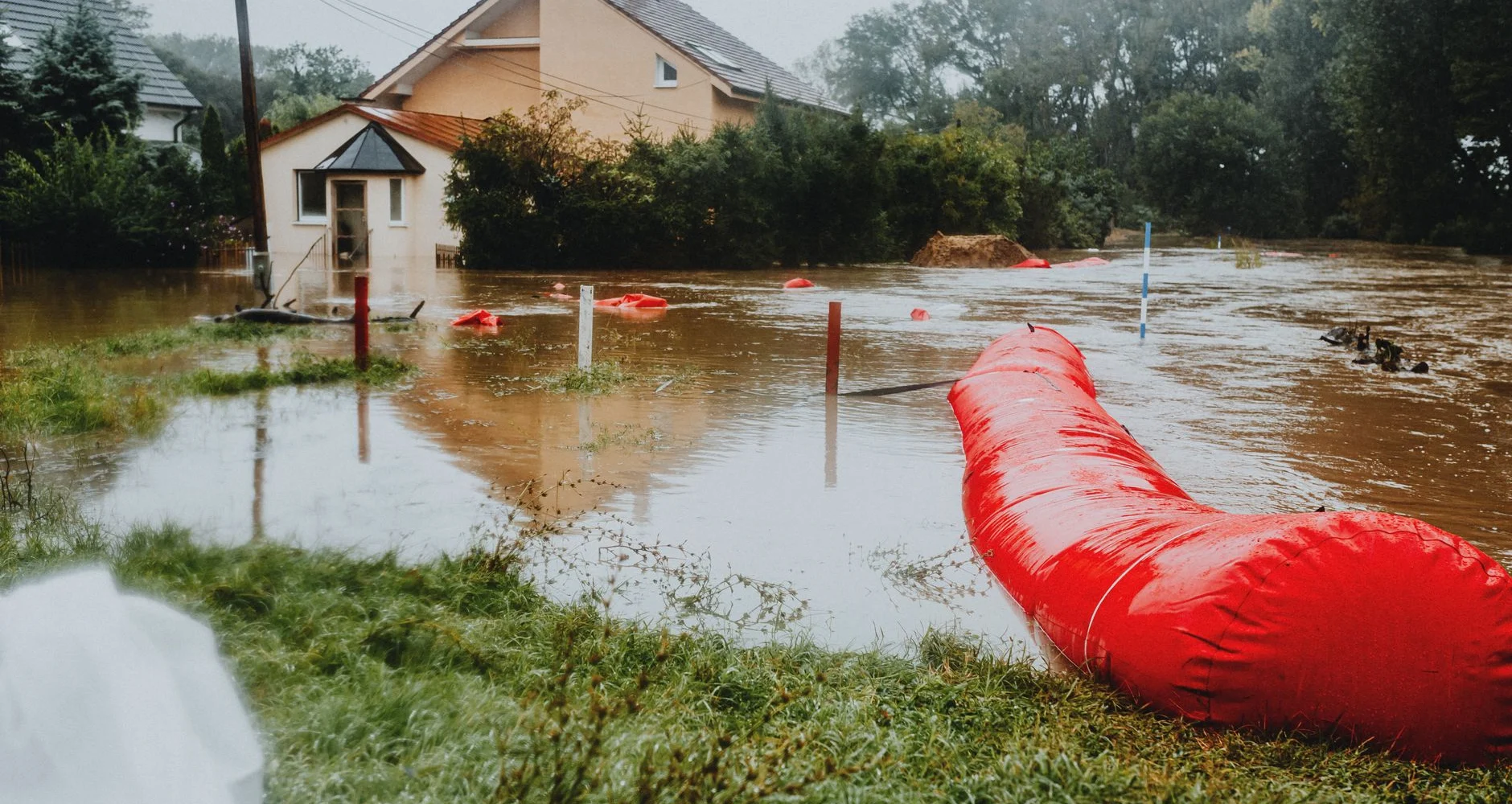
Basement flood cleanup Oakland
Water in your basement, garage or in-law unit? Call any time and we connect you with an independent, licensed crew that pumps it out, cleans it safely and dries it to a measured standard.
Basement flood cleanup Oakland
Quick answer
Basement flood cleanup in Oakland means removing the water, finding out if it is clean water, groundwater or sewage, then drying the space to a measured dry standard before anything is rebuilt. Shut off power to the area if you can reach the breaker from dry ground, keep people and pets out of sewage, and take photos. Call (925) 298-0440 any time and we connect you with an independent, licensed crew that does expert basement flood cleanup services in your part of Oakland.
Most Oakland “basements” are not the full, below-ground rooms you see in the Midwest. They are partial basements dug under older homes, garages tucked under the house on a hillside lot, and ground-floor in-law units that started life as storage. Each one floods for different reasons and dries in a different way.
A hillside garage that takes water through the back wall is a drainage problem. A flatland basement that fills from the floor drain is often a sewer problem. The cleanup crew should know which one they are walking into before they pump a single gallon.
Dirt or concrete rooms under older homes, often holding the water heater, furnace and laundry.
Common on sloped lots. The back wall is buried in the hill and the front opens to the street.
Converted lower levels with drywall, carpet and a bathroom. Someone lives there, so speed matters.
The lowest drain in the house is where a blocked sewer lateral shows up first.
Water in your basement, garage or in-law unit right now? Call and get connected with a local crew.
Call (925) 298-0440Warning signs
Some basement water is a mop-and-fan job. Most is not. These are the signs that point to hidden moisture, contamination or a bigger source that a wet vac will not fix.
Hills versus flats
About two thirds of Oakland is flat plain and one third climbs into the hills. That split decides how water reaches the lowest level of a home, and it decides the fix.
On a sloped lot in Montclair, Glenview or Maxwell Park, rain soaks into the hill above you and moves downhill underground. When it reaches your house, the buried back wall of the garage or basement acts like a dam. Water builds up behind it, a force called hydrostatic pressure, and finds every crack, cold joint and pipe hole.
The cleanup is the easy part. The lasting fix is drainage on the uphill side, such as a perimeter or French drain, downspout extensions and grading that sends surface water around the house instead of into the wall.
In the flats near the estuary and the Bay, the ground is low and water has less room to drain. The city’s Sea Level Rise Roadmap notes that rising groundwater and Bay levels can slow storm drainage and cause flooding inland. For a basement, that means water rising through the floor or around the edges of the slab during long storms.
Here a working sump pump, clear floor drains and a sewer lateral in good shape matter more than anything on the outside walls.
How the job works
A real basement flood cleanup in Oakland follows the IICRC S500 water damage standard. The order matters, because doing step 5 before step 2 can spread sewage through the house or seal moisture into the walls.
Do not walk into standing water if the panel, outlets, a space heater or the washer are in the same room and you cannot shut the power off from a dry spot. Wait outside and call.
Know your water
The IICRC sorts water into three categories by contamination. In a basement, the source tells you the category, and the category decides what can be dried in place and what goes in the dumpster.
| Where the water came from | Usual category | Risk | What usually happens to carpet and drywall |
|---|---|---|---|
| Burst supply line or water heater leak | Category 1 | Lower | Often dried in place if extraction starts fast. |
| Washing machine overflow | Category 2 | Caution | Carpet pad is usually removed. Drywall can often be dried. |
| Groundwater seeping through walls or slab | Category 2 or 3 | Caution | Depends on what the water passed through. Porous items it soaked are often removed. |
| Sewage from a floor drain or toilet | Category 3 | High | Carpet, pad and drywall it touched are removed. Area is disinfected. |
| Clean water left standing for days | Can become Category 2 or 3 | Rising | Treated as contaminated once bacteria and mold start to grow. |
Categories follow the ANSI/IICRC S500 water damage standard. Water that sits gets worse over time, so a clean leak ignored for days is no longer a clean water job.
Basement flooding?
Get the water out before it soaks in
Carpet pad, drywall and concrete start absorbing water the moment it lands. One call connects you with an independent, licensed basement cleanup crew near you, any time of day.
Oakland specific
When water comes up out of a basement floor drain, the problem is usually not the basement. It is the private sewer lateral, the pipe that carries waste from your house to the public sewer in the street.
Many older Oakland homes still have clay laterals. Roots get into the joints, cracks open up and the pipe partly blocks. During heavy rain, the backup finds the lowest drain in the house, which is usually in the basement.
Since January 16, 2012, Oakland properties need an EBMUD compliance certificate when they are bought or sold, remodeled for more than $100,000, or change water meter size. The certificate shows the lateral does not leak.
Cracked laterals let rainwater into the sewer system. That extra water can overwhelm the pipes downstream, which is the reason the regional lateral program exists in the first place.
A cleanout lets a plumber clear and camera-inspect the lateral. A backwater valve on the line can stop the street sewer from pushing back into the house. Ask a plumber if your home has either.
A large share of Oakland homes were built before 1950. Original plumbing, unsealed foundations and lower levels that were never meant to be living space all raise the odds of basement water.
If someone lives in the lower unit, sewage or standing water can make it unlivable for days. Landlords should plan for the tenant and document everything for the claim.
General information only. Check the current EBMUD rules with EBMUD before selling or remodeling.
Sump pumps
In the Bay Area, a sump pump is not standard in every home. Homes with a high water table, a below-grade room on a flatland lot or a history of seepage often have one. When it fails, it fails during the storm, because that is the only time it works hard.
Is your basement water an emergency?
Tick everything that matches what you see right now.
A small clean-water spill on bare concrete can often be handled with a wet vac, fans and a dehumidifier. Keep an eye on the walls and the smell for the next few days.
This needs a professional crew today. Sewage, electrical risk or a lived-in space changes the plan. Stay out of the water and call.
Call (925) 298-0440What affects cost
There is no honest flat price for basement flood cleanup. The restoration company gives a written estimate after the inspection. These are the factors that move it most.
| Cost factor | Unfinished basement or garage | Finished basement or in-law unit |
|---|---|---|
| Materials to remove | Usually little. Stored boxes and items are the main loss. | Carpet pad, flooring, baseboards, drywall and insulation below the water line. |
| Water category | Sewage still means full cleaning and disinfection of concrete and framing. | Sewage means every porous finish it touched is removed. |
| Drying time | Open concrete and framing dry faster with good airflow. | Wall cavities and slabs under flooring take longer and need more equipment days. |
| Size and depth | Square footage and water depth set pump and extractor time. | Same, plus more rooms, closets and a bathroom to handle. |
| Contents | Moving and sorting stored items. | Furniture, bedding and personal items may need packout and cleaning. |
| Rebuild | Often none beyond cleaning. | New drywall, paint, flooring and permits when the work requires them. |
Other factors include how long the water sat, whether mold has started, access to the space and whether the source (like a sump pump or sewer lateral) needs repair by a plumber.
While you wait
Related help
Basement water often comes with a second problem. Mold, a wet crawl space or a hidden leak may need its own crew. For a wider look at how water jobs work, see water damage restoration in Oakland.
01 / FLOOD CLEANUP
Fast water extraction and cleanup after floods, burst pipes and sewage backups.
Learn more02 / MOLD INSPECTION & REMEDIATION
Inspection, testing and safe mold removal with containment and clearance checks.
Learn more03 / STORM DAMAGE RESTORATION
Tarping, drying and repair after atmospheric river storms, wind and roof leaks.
Learn more04 / MOISTURE DETECTION & LEAK TRACING
Thermal imaging and moisture mapping to find hidden leaks without guesswork.
Learn more05 / CRAWL SPACE DRYING & REPAIR
Drying wet crawl spaces and repairing dry rot, joists and sill plates.
Learn moreCommon questions
Make it safe first. Shut off power to the basement at the breaker if you can reach it from dry ground, and stay out of the water if it is near outlets or appliances. Then stop the source if you can, take photos and call for help. If the water came from a floor drain, stop using water upstairs.
Most basements need about 3 to 5 days of drying once equipment is set up, and finished spaces can take longer. Concrete slabs and block walls hold water for a long time. The job is done when moisture readings match a dry reference area, not on a set day.
A small amount of clean water on bare concrete is often a DIY job with a wet vac, fans and a dehumidifier. Sewage, deep water, soaked drywall or carpet, or water near electrical equipment should be handled by a professional crew. Hidden moisture in walls and slabs is the main thing DIY cleanup misses.
It depends on the source. A sudden burst pipe is often covered. Groundwater and outside flooding usually need flood insurance, and sewer backups usually need a separate endorsement. Read your policy, take photos before cleanup and report the claim quickly. This is general information, not insurance advice.
On hillside lots, rain soaks into the slope and pushes through the buried uphill wall. In the flats, high groundwater rises under the slab and storm drains back up. A cracked sewer lateral can also let rainwater into the sewer and cause a backup through the floor drain.
Usually it is groundwater under pressure, called hydrostatic pressure, pushing up through cracks and the joint where the floor meets the wall. It can also be a sewer backup through a floor drain. A white crust on the concrete, called efflorescence, is a sign water has been moving through the slab for a while.
A backwater valve is a one-way flap on your sewer line. It lets waste flow out to the street and closes if the sewer pushes back toward your house. If you have a basement drain or fixtures below street level and have had a backup before, ask a licensed plumber whether one makes sense for your home.
Carpet pad is almost always thrown out because it acts like a sponge. The carpet itself can sometimes be saved after a clean water leak caught early. After sewage or outdoor floodwater, both carpet and pad are removed.
Answered 24/7
Flooded basement in Oakland? Call now.
Garage, partial basement or in-law unit, one call connects you with an independent, licensed crew that handles basement flood cleanup near you.
Water Damage Restoration Oakland CA is a free referral service. We connect Oakland property owners with independent, licensed restoration companies. We do not perform restoration work ourselves.