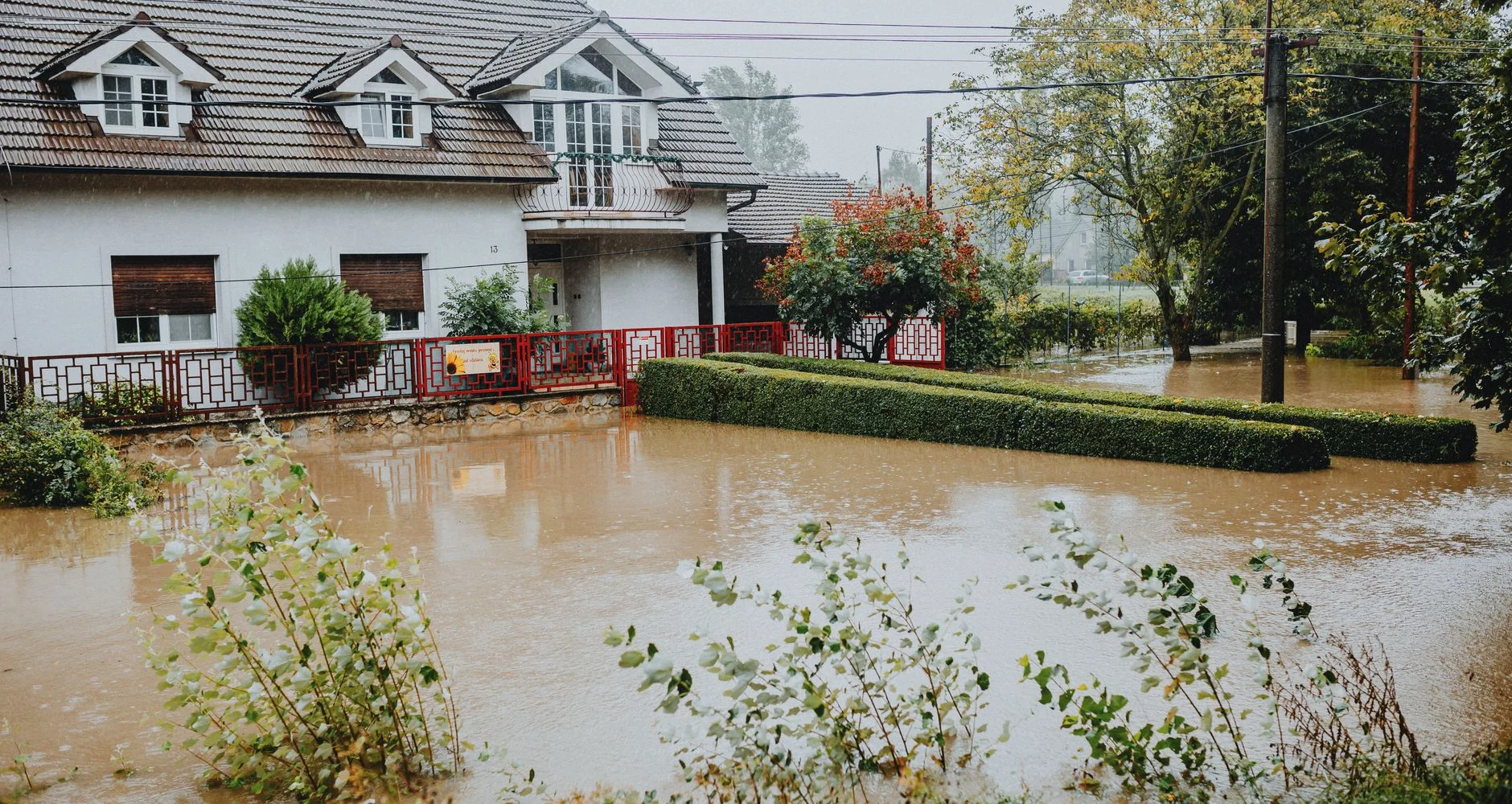
Flood cleanup Oakland
Floodwater is dirty water, treat it that way
Quick answer
Flood cleanup in Oakland starts with safety and documentation, then fast extraction, removal of porous materials the floodwater touched, disinfection and measured drying. Outdoor floodwater and sewage are Category 3 water, so carpet, pad, insulation and drywall they soaked usually go. Call (925) 298-0440 any time, and we connect you with an independent, licensed crew for flood and water damage cleanup in Oakland, CA.
Flood cleanup is not the same as drying out a burst pipe. Water that came in from the street, a creek, a storm drain or the sewer carries bacteria, soil, oil and whatever else it picked up on the way. That changes what can be saved, what protective gear is needed and how your insurance claim is handled.
This page walks through the whole job: what to throw away, what can be cleaned, how Oakland floods happen, and what a day-by-day cleanup looks like.
Before you go back in: stay out if the structure looks unsafe, and do not touch the panel or outlets while standing in water. Wear rubber boots, gloves and eye protection. Floodwater can hide sharp debris and live wires.
Key takeaways
- Most homeowners policies do not cover flood. Flood insurance does.
- Photograph everything before anything is thrown out.
- Porous items soaked by floodwater are usually discarded.
- Dry within 24 to 48 hours to limit mold growth (EPA).
Floodwater in your home or business? Call now and get connected with a local cleanup crew.
Call (925) 298-0440When to call
Signs you need flood cleanup, not a mop
A towel handles a spilled glass. These situations need pumps, extractors, disinfection and a moisture meter.
- Water came in from outsideStreet runoff, a backed-up storm drain or creek overflow is Category 3, even when it looks clear.
- Sewage in any amountWater from a toilet, floor drain or cleanout carries pathogens. It needs a full disinfection protocol.
- Standing water across roomsMore water than a wet vac can keep up with needs a pump or truck-mounted extractor.
- Water above the baseboardOnce water touches drywall, it wicks up inside the wall where you cannot see or reach it.
- Wet for more than a dayPast 24 to 48 hours, mold risk climbs fast on wet materials.
- More than one unit or businessGround-floor shops and multi-unit buildings need records for owners, tenants and several insurers.
Insurance words matter
Flood damage vs water damage on a claim
To you, it is all water on the floor. To an insurer, “flood” and “water damage” are two different things, often covered by two different policies. FloodSmart, the National Flood Insurance Program site, says most homeowners insurance does not cover flood damage.
| Question | Flood damage | Water damage |
|---|---|---|
| Where the water came from | Outside: rising surface water, overflowing creeks, storm runoff, mudflow. | Inside: burst pipe, appliance hose, water heater, roof leak during a storm. |
| Typical policy | Flood insurance (NFIP or private) | Often homeowners, if sudden |
| Homeowners policy | Usually excluded | Sudden and accidental is often covered. Slow leaks often are not. |
| Water category | Category 3 by default. | Starts as Category 1 or 2, can get worse with time. |
| Sewer backup | Often needs a separate sewer backup endorsement on a homeowners policy. Check yours. | |
General information only, not legal or insurance advice. Read your policy and talk to your agent or adjuster. Renters need their own renters policy for belongings.
Inside the wall
Why the wall is cut above the water line
Drywall acts like a paper towel. Water climbs above the visible line, soaks the insulation and sits against the studs. A “flood cut” removes a strip of drywall above the highest wet reading so the cavity can be cleaned and dried.
Before: the drywall looks only stained, but the insulation and studs behind it are soaked and contaminated.
After: drywall and insulation below the cut are gone, framing is cleaned and air movers dry the open cavity.
Category 3 protocol
What to throw away after a flood, and what to keep
The rule of thumb is simple: if it is porous and floodwater soaked it, it usually goes. If it is hard and non-porous, it can usually be cleaned and disinfected. Photograph everything first for your claim.
Usually thrown away
Carpet and pad, mattresses and box springs, upholstered furniture, soaked drywall and insulation, particleboard furniture, stuffed toys, and any food, medicine or cosmetics that touched floodwater.
Usually cleaned
Hard plastic, metal, glass and sealed tile. Solid wood framing is cleaned, disinfected and dried. Concrete floors are scrubbed and treated. Hard furniture may be saved if it dries without warping.
Ask a specialist
Important papers, photos, artwork, rugs and electronics. Wet documents and photos can often be frozen to stop damage until a document restoration service can freeze-dry them. Do not power on wet electronics.
Protect yourself during cleanup. Wear waterproof boots, rubber gloves and eye protection, and an N95 respirator around moldy materials. Keep children and pets away. Wash hands with soap and clean water after contact with floodwater, and seek care for any cut that touched it.
Floodwater inside?
Every hour wet, the job grows
Extraction in the first hours saves materials that would be lost by tomorrow. Call any time and we connect you with an independent, licensed flood cleanup crew near you.
How Oakland floods
Creeks, storm drains and low-lying ground
Oakland does not flood like a river town. It floods in short, heavy bursts during winter storms, when culverted creeks, storm drains and high tides all hit their limits at once. Nearly all of Oakland’s rain falls between November and April.
Creeks hidden under the flats
Many Oakland creeks run in underground culverts once they reach the flatlands. Temescal Creek is mostly underground in the flats, Sausal Creek runs in culverts near the Bay, and Glen Echo Creek flows through culverts toward Lake Merritt. When a culvert backs up, the water comes out at street level.
East Oakland creeks and sloughs
Peralta, Courtland and Seminary creeks combine into East Creek Slough. Lion and Arroyo Viejo creeks flow into Damon Slough near the Coliseum. San Leandro Creek ends in Arrowhead Marsh. These outlets sit at the low edge of the city along San Leandro Bay.
Places the city already sees flooding
Oakland’s Preliminary Sea Level Rise Roadmap names low-lying Jack London Square and Lake Merritt on Grand and Lakeshore Avenues as places where rain and high-tide flooding can already be seen. It lists the Coliseum Complex among the areas most vulnerable to urban flooding.
The 2022 to 2023 federal disasters
FEMA declared two disasters that covered Oakland: DR-4683-CA (December 27, 2022 to January 31, 2023) and DR-4699-CA (February 21 to July 10, 2023), for severe winter storms, flooding, landslides and mudslides. The city repaired storm drains at Catron Drive, Redwood Road and a Joaquin Miller Park culvert.
Rising groundwater and Bay levels can slow storm drainage and push flooding further inland, according to the city’s roadmap. Ground-floor homes and shops near the estuary feel this first.
Day by day
A typical flood cleanup timeline in Oakland
Every job is different, but a water damage cleanup in Oakland, CA usually follows this order under the IICRC S500 standard. Drying ends when readings say dry, not on a set day.
- Day 0Safety check, photos, source stopped, standing water pumped and extracted.
- Day 0 to 1Flood cuts, wet carpet and pad out, surfaces cleaned and disinfected.
- Days 1 to 4Air movers and dehumidifiers run. Moisture is logged daily.
- Dry goal metReadings match a dry reference area. Rebuild and repairs can start.
- Hour 0 to 4Secure and record
Power checked, photos and video taken, valuables moved, source stopped.
- Hour 4 to 24Extract and remove
Pumps and extractors pull water. Category 3 materials are bagged and removed.
- Day 1 to 4Disinfect and dry
Antimicrobial applied, drying equipment placed, readings logged each day.
- After dry goalRebuild
Drywall, insulation, flooring and paint go back. Oakland requires a permit to repair water damage.
Sewage backups
Sewage backup cleanup is its own protocol
When sewage comes up through a toilet, tub or floor drain, everything it touched is treated as Category 3. Crews wear protective suits, gloves and respirators, remove porous materials, clean every hard surface and apply a disinfectant before drying begins.
In Oakland, backups often trace to a cracked or root-blocked private sewer lateral, the pipe from your house to the street. EBMUD requires a lateral compliance certificate when a property is sold, remodeled for more than $100,000 or changes water meter size. If the backup hit a lower level, see our page on basement flood cleanup.
Documentation that helps your claim
Adjusters work from records. Photos of the water line, the source, damaged items before disposal, and the crew’s daily moisture readings make a claim easier to support. Keep a list of what was thrown away with brand, age and a rough value.
Flood claim documentation checklist
Tick each one as you go. These records protect your claim.
All seven done. Your claim file is ready for the adjuster.
What affects cost
What drives the cost of flood cleanup
No honest company quotes a flood job before seeing it. The written estimate comes after inspection and depends on these factors.
Water category
Category 3 floodwater and sewage need more removal, protective gear and disinfection than clean water.
Area and depth
Square footage, number of rooms and how high the water stood set the extraction time and the flood cut height.
Materials removed
Carpet, pad, drywall, insulation, cabinets and flooring each add removal and disposal work.
Time before cleanup
Water left sitting spreads further and invites mold, which adds remediation to the job.
Drying days
Dense materials like hardwood, plaster and concrete keep equipment running longer.
Contents and access
Packout of furniture and belongings, multi-unit access and commercial spaces add labor.
Right after a flood
Flood cleanup do’s and don’ts
Do
- Wait until it is safe to enter, and shut off power from a dry spot.
- Photograph and film everything before moving or throwing anything out.
- Call your flood or homeowners insurer as soon as you can.
- Wear boots, gloves and eye protection around floodwater.
- Open windows if weather allows, to start moving damp air out.
- Freeze wet documents and photos in sealed bags until they can be treated.
Don’t
- Don’t let children or pets play in or near floodwater.
- Don’t eat or drink anything that touched floodwater.
- Don’t plug in or switch on wet electronics or appliances.
- Don’t run a generator or gas pump indoors or in a garage.
- Don’t use a household vacuum to pick up water.
- Don’t close up walls until moisture readings say they are dry.
Related services
Flooding often brings a second problem
Flood cleanup is the first step. For the full picture of how water jobs are handled here, see water damage restoration in Oakland.
Low-lying and creek-side neighborhoods
These areas sit near the estuary, Lake Merritt or creek outlets named in city and county sources.
Common questions
Flood cleanup FAQs
What should you throw away after a flood?
Throw away porous items that floodwater soaked: carpet and pad, mattresses, upholstered furniture, wet insulation and drywall, stuffed toys, and any food, medicine or cosmetics it touched. Hard, non-porous items can usually be cleaned and disinfected. Photograph everything before it goes for your claim.
Is floodwater dangerous to clean up yourself?
It can be. Outdoor floodwater and sewage are Category 3 water and can carry bacteria, chemicals and sharp debris, plus electrical hazards. Small clean-water spills are fine to handle with care. For floodwater inside the home, wear full protection or let a trained crew do it.
Does homeowners insurance cover flood damage?
Usually not. Most homeowners policies exclude flood, which is covered by flood insurance through the NFIP or a private insurer. Sudden water damage from inside the home, like a burst pipe, is a different claim and is often covered. This is general information, not insurance advice.
What is the difference between flood damage and water damage?
Flood damage comes from outside water rising onto normally dry land, like creek overflow or street runoff. Water damage comes from a source inside the building, like a pipe or appliance. The difference decides which policy responds and how the water is classified for cleanup.
How long does flood water extraction take?
Extraction of standing water usually takes hours, not days, depending on depth, square footage and equipment. Drying the structure afterward usually takes about 3 to 5 days, longer for dense materials. Removal of Category 3 materials happens alongside extraction.
Can carpet be saved after a flood?
Not after outdoor floodwater or sewage. Carpet and pad soaked by Category 3 water are removed. Carpet wet by a clean water leak and extracted quickly can sometimes be saved, but the pad is usually replaced.
How soon after a flood does mold grow?
Mold can start on wet materials within 24 to 48 hours, which is why the EPA says to dry water-damaged areas within that window. Oakland’s cool, damp winter air slows natural drying, so dehumidifiers and air movers matter.
Do I need to leave my house during flood cleanup?
It depends on how much of the home is affected and the water category. With sewage or outdoor floodwater in living areas, or no working kitchen, bathroom or power, many families stay elsewhere for a few days. Ask the crew and your insurer, since some policies help with extra living costs.
Answered 24/7
Flooding in Oakland? Call now.
Floodwater, sewage or standing water, one call connects you with an independent, licensed cleanup crew that serves your neighborhood.
Water Damage Restoration Oakland CA is a free referral service. We connect Oakland property owners with independent, licensed restoration companies. We do not perform restoration work ourselves.
Sources
- FloodSmart.gov, National Flood Insurance Program
- FEMA, DR-4683-CA California Severe Winter Storms, Flooding, Landslides, and Mudslides
- City of Oakland, FEMA 2022 to 2023 Storms
- City of Oakland, Preliminary Sea Level Rise Roadmap
- EPA, Flooded Homes Cleanup
- EPA, A Brief Guide to Mold, Moisture and Your Home
- Oakland Museum of California, East Oakland creeks
- EBMUD, Private Sewer Laterals
- City of Oakland, Permit Process Overview